K2
(ABeKA)
A warm, loving start built on Christian foundations.
Our K2 program at Beacons Child Development Center uses the Abeka Curriculum, which provides a Christian environment where young learners can grow at their own pace. This age is full of curiosity and discovery, and our teachers guide children through early learning moments that help build confidence, joy, and readiness for future growth.
In K2, children begin taking gentle steps into structured learning through simple routines, hands-on activities, and opportunities to explore new ideas. Every part of the day encourages physical, mental, social, emotional, and spiritual development, helping children grow in a balanced and meaningful way.
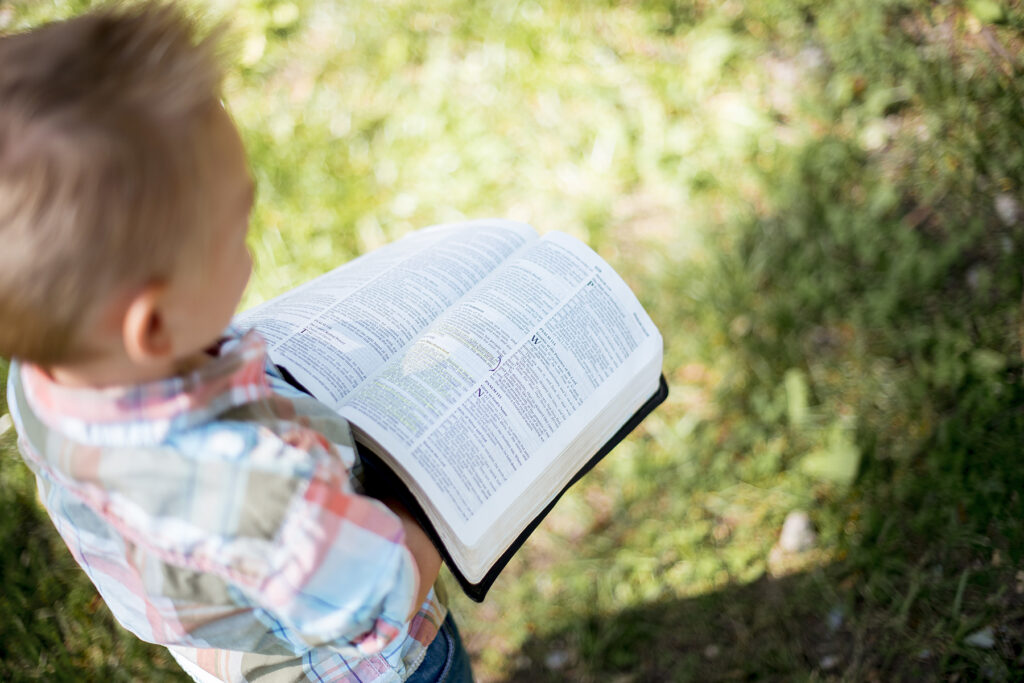
Bible Time
Bible Time at Beacons CDC is a quiet and comforting part of each day in K2. Children listen to simple Bible stories and learn about God’s love in ways they can understand. Teachers use songs, gentle discussion, and age-appropriate ideas to help children know that God made them, cares for them, and is always with them.
These early moments help establish a sense of peace, trust, and belonging. Children begin to recognize familiar Bible truths and look forward to this calm, grounding time each day.
Phonics
Phonics introduces K2 students to the early building blocks of language. Children learn to identify simple letter sounds, repeat familiar patterns, and listen closely to how words begin and end. Teachers guide them through these activities with patience, allowing each child to participate at their own pace.
These early phonics experiences prepare children for later reading skills by building awareness of sound, listening, and speech patterns. The goal is not mastery, but gentle familiarity—helping children feel comfortable with the idea that letters have sounds and sounds form words.
Numbers
Number lessons in K2 help children begin understanding early math concepts. Through visual cues, counting activities, and hands-on exploration, children learn to recognize numbers and connect them to real-life objects and situations. Teachers might guide them in counting simple groups, noticing patterns, or identifying numbers in their environment.
These moments help children build early reasoning skills, notice order and sequence, and become more aware of the world around them. Everything is introduced slowly and simply, making learning approachable and fun.
Arts & Crafts
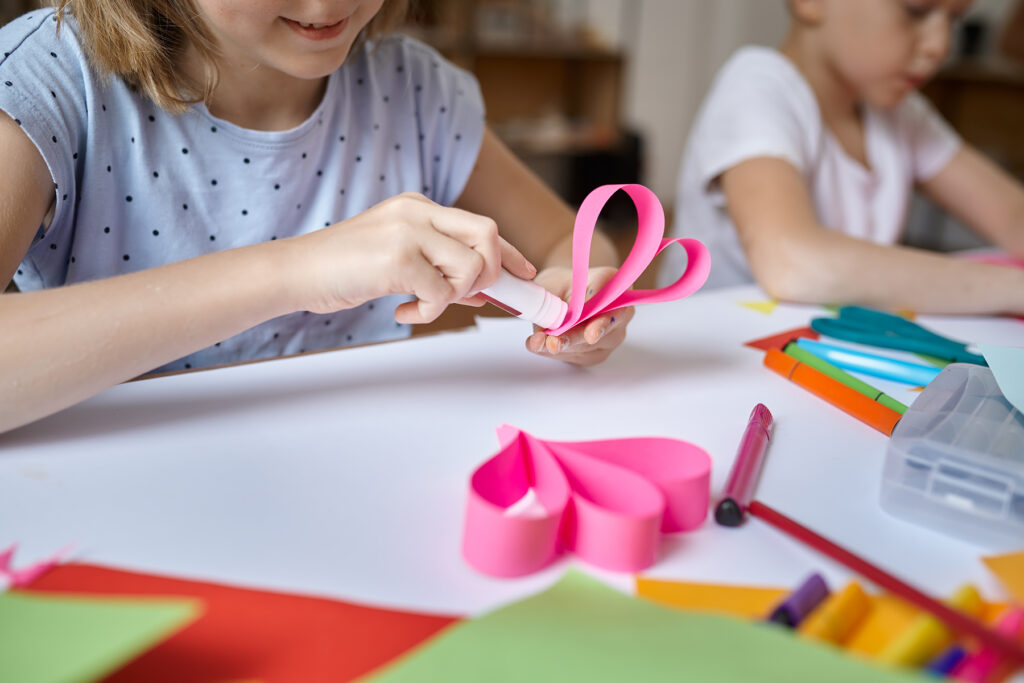
Arts and crafts in K2 give children the chance to express themselves while building important fine motor skills. Children practice holding crayons, using glue, painting, and working with paper in ways that help them develop coordination and confidence.
Teachers guide each step gently, offering encouragement and helping children learn to follow simple instructions. Arts and crafts also give children a sense of accomplishment and pride as they complete their projects. Each piece of artwork becomes a reminder of growth, creativity, and joy.
Learning Games
Poetry
Poetry introduces children to rhythm, repetition, and language in a playful format. Short, simple poems help children practice listening, speaking, and memory skills. Teachers may read poems aloud or invite children to join in with familiar phrases.
Poetry helps children notice patterns in language and supports early literacy development. These moments also strengthen attention and encourage children to participate with enthusiasm.
Finger Plays
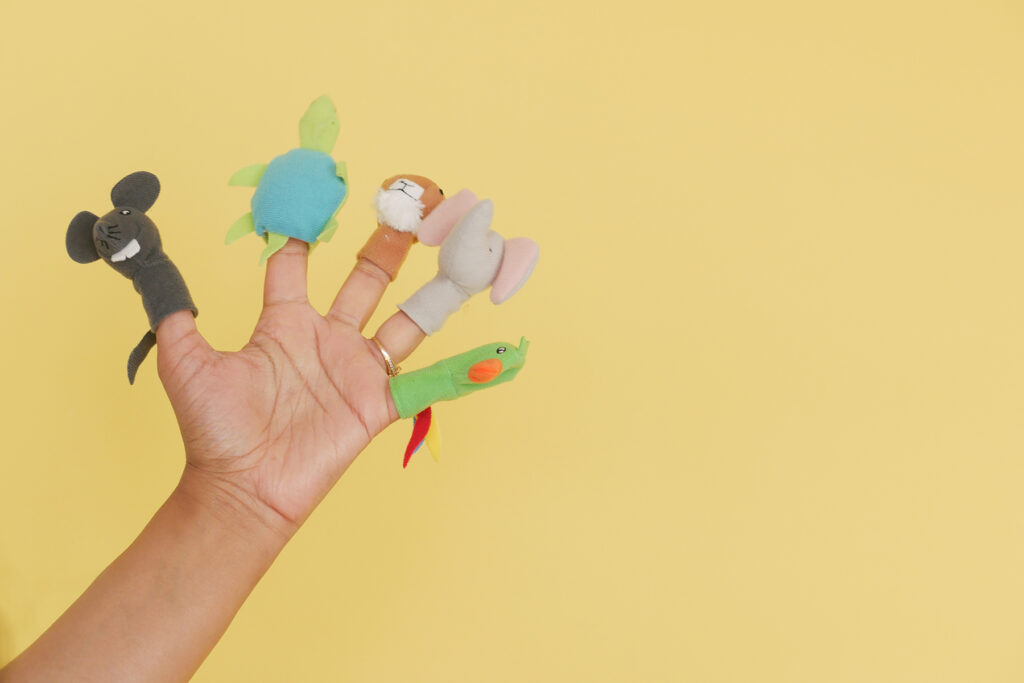
Finger plays combine hand motions with simple phrases or songs. In K2, these activities help children practice coordination, follow multi-step directions, and connect movement with learning. Teachers guide the motions slowly and clearly so children feel successful and engaged.
Finger plays also provide joyful breaks between activities and help children refocus their attention with movement and rhythm.
Music
Music is an important part of the K2 day. Children sing simple songs, practice basic rhythms, and participate in group movement. Music helps children develop listening skills, express emotion, and enjoy a shared experience with their classmates.
Teachers choose songs that are easy to learn and uplifting, creating a positive environment that supports spiritual and emotional development.
Whole-Child Development
Every part of the Beacons CDC K2 program is designed to support the whole child. Children grow physically through fine-motor and movement activities, mentally through early language and number concepts, socially through shared play, emotionally through routine and encouragement, and spiritually through daily reminders of God’s love.
Our goal at is to create a warm environment where children feel safe, happy, and ready to learn—one step at a time.