K3
(ABeKA)
A year of growing confidence, curiosity, and early learning.
Our K3 program at Beacons Child Development Center continues using the Abeka Curriculum, helping children move gently into the next stage of development. At this age, children enjoy learning through structure and play, and our teachers guide them with patience, encouragement, and consistent routines.
The goal of the K3 is to help children grow academically, socially, emotionally, and spiritually through activities that match their stage of development. With warm guidance, hands-on learning, and simple experiences that support skill-building, K3 becomes a meaningful step toward kindergarten readiness.
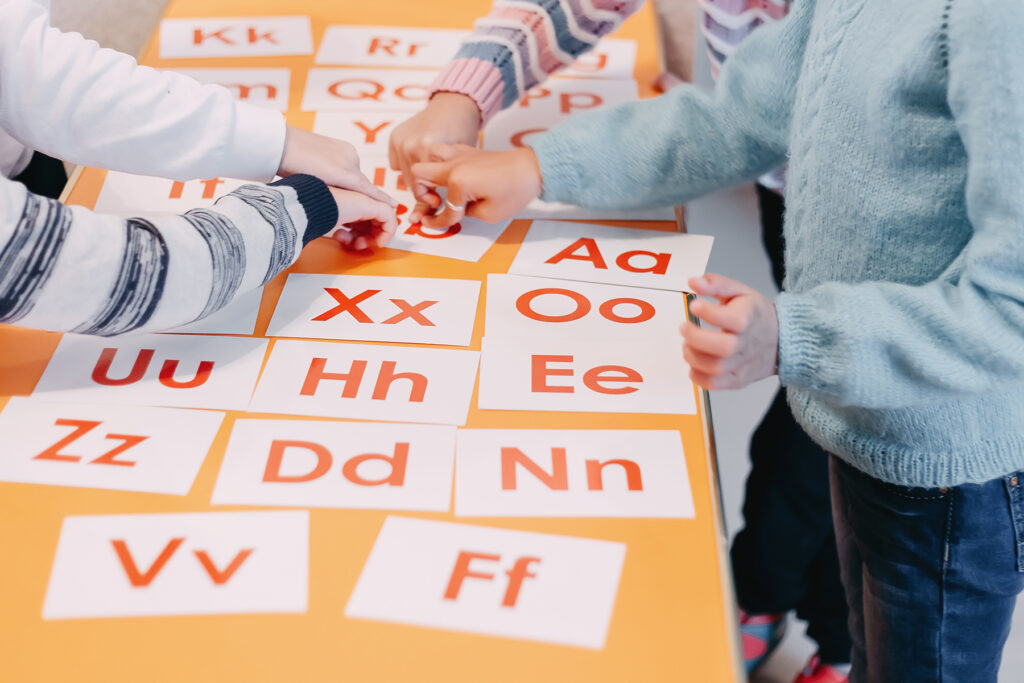
Phonics
In K3, phonics continues to be introduced through age-appropriate activities that support early reading readiness. Children practice identifying sounds, noticing how letters begin and end words, and listening for patterns in spoken language. Teachers guide them through repetition, simple demonstrations, and group participation.
These early phonics experiences help children build awareness of letters and sounds in a relaxed, supportive environment. The emphasis is not on advanced reading but on helping children feel confident and familiar with the building blocks of language.
Numbers
K3 students continue developing early math skills by exploring number concepts in hands-on ways. Children practice counting, matching objects, and noticing simple patterns. Teachers introduce numbers through visual tools, shared activities, and routines that help children recognize numeric order and meaning.
These early experiences help children understand quantity, comparison, and the idea that numbers relate to everyday life. Math in K3 is gentle, playful, and designed to build confidence one step at a time.
Arts & Crafts
Arts and crafts remain an important part of the K3 classroom. Children strengthen fine motor skills through cutting, gluing, coloring, painting, and shaping materials. Teachers provide guided steps while allowing children the freedom to express their creativity.
Each project gives children a sense of accomplishment and builds important habits such as following directions, completing tasks, and taking pride in their work. These activities also help strengthen hand coordination, preparing children for future writing skills.
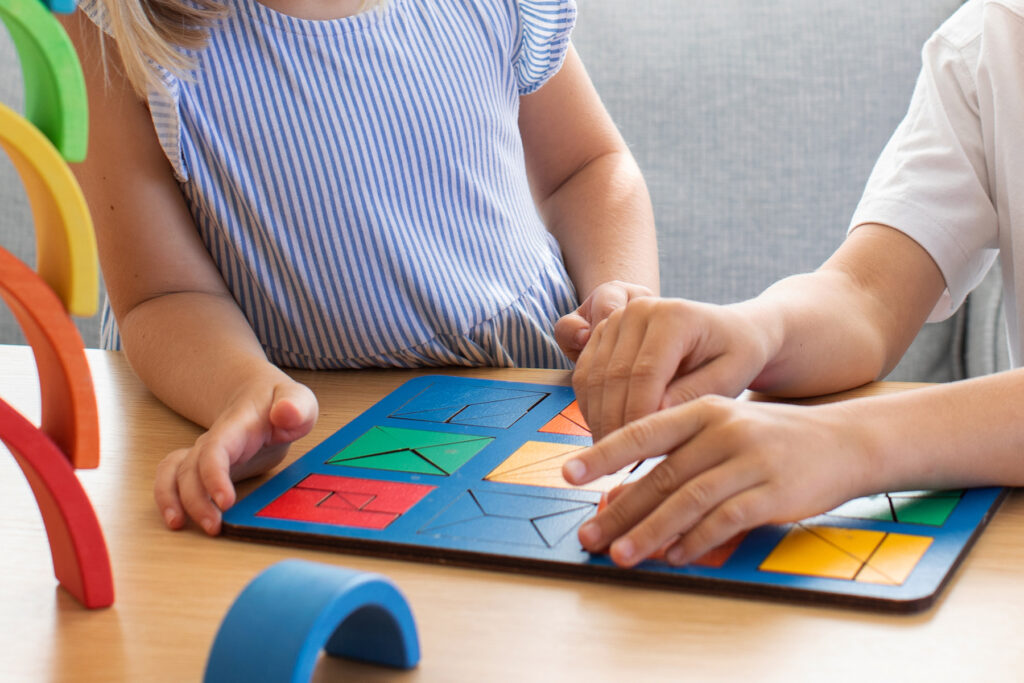
Learning Games
Learning games in K3 help children grow academically while practicing social skills such as taking turns, listening, and working with their classmates. Games are kept simple, fun, and meaningful, giving children the chance to interact, move, and learn all at the same time.
Through these games, children reinforce concepts introduced during the day and build confidence through repetition and positive experiences. Teachers use games to support both academic and social-emotional growth.
Poetry
Poetry in K3 helps children develop listening skills, expression, and early memory through short, engaging poems. Teachers read poems aloud or invite the class to repeat familiar lines, helping children experience the rhythm and beauty of language.
Poetry supports early literacy by strengthening children’s understanding of sounds, patterns, and sequence. These moments also encourage group participation and attentive listening in a calm, joyful setting.
Finger Plays
Finger plays continue to play an important role in K3 by combining simple motions with spoken phrases or songs. These activities support coordination, rhythm, and early comprehension as children follow along with guided hand movements.
Teachers use finger plays to help children transition between activities or to re-engage their attention. They offer a playful way to connect movement with learning and create familiar routines children look forward to.
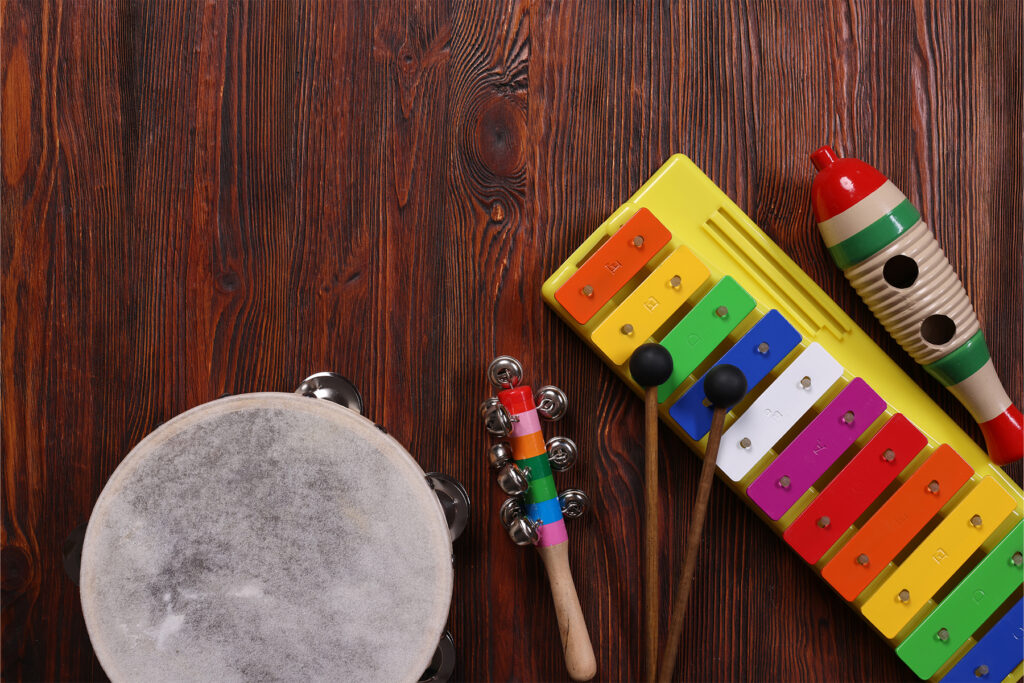
Music
Music brings joy, energy, and togetherness to the K3 classroom. Children sing songs that support early learning, expression, and spiritual encouragement. They practice simple rhythms and movement that help strengthen both motor skills and memory.
Music helps children feel a sense of unity with their classmates and builds habits of listening, participating, and expressing themselves in positive ways. These musical experiences become highlights of the day and often create strong, happy memories.
Whole-Child Development
Every part of the K3 program supports the whole child. Children grow physically through movement and fine-motor activities, mentally through structured learning moments, socially through play and classroom interaction, emotionally through gentle encouragement, and spiritually through the Christian environment that surrounds their day.
K3 is a year of strengthening confidence, developing important early skills, and building a strong foundation for the next stage of learning.